
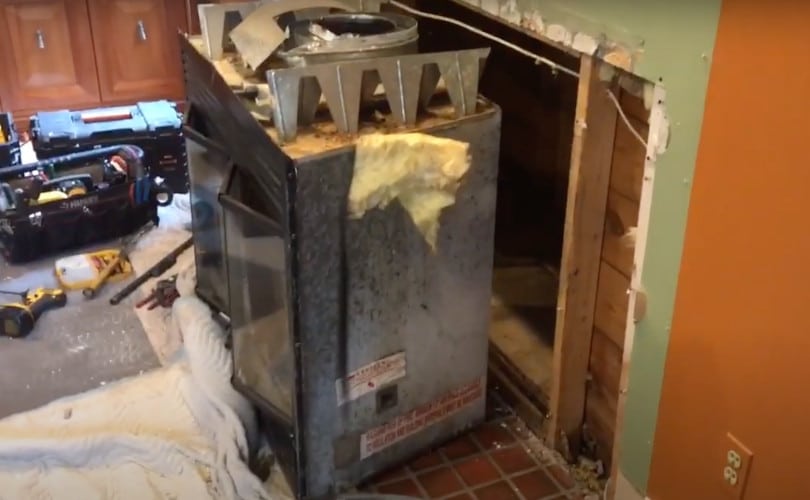
If you need to clean or maintain your chimney, you are going to first need to know how to remove a fireplace insert before you can tackle the rest of your job. Fortunately, it’s not too difficult of a task. A fireplace insert rests inside a fireplace and helps it heat your home more efficiently, so it’s a good idea to use an insert if you use a fireplace.
Removing the insert is a project you can probably handle yourself, or with a few helpers. Whether you are removing the insert permanently or just to help with cleaning and maintenance, you can tackle this project by yourself.

 You might have a beautiful antique brick fireplace hiding behind some outdated layers of paint. A great way to spruce up your fireplace is to remove old pain and let the natural brick shine through and be the focal point in the room. Some would say pressure washing is the way to go, but if you do that you run the risk of damaging the brick or the grout; there is an easier way to remove paint from a brick fireplace.
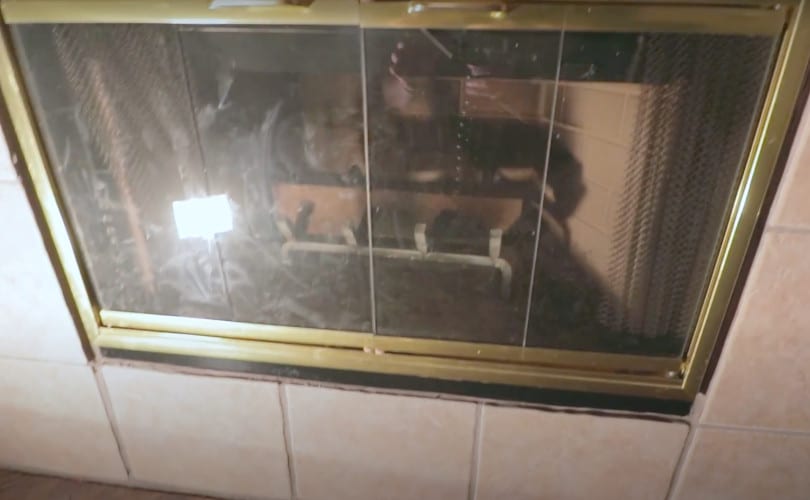
 As a fireplace owner, you’re eventually going to have to remove your fireplace doors. It might be for maintenance, it might be for an upgrade, or maybe you prefer an open hearth. But whatever the reason, there’s no need to be intimidated. Removing fireplace doors is a simple process.
 You probably like the idea of sitting down in front of a roaring fire with a warm cup of cocoa during a cold winter’s night. But while that fire may be comforting, it’s not a very efficient way to heat a room. On top of that, you may not enjoy the effort of buying firewood or having the chimney cleaned each year.
 A fireplace is a welcome addition to any home. It offers comfort and warmth and creates a welcoming place to relax. If you’re thinking of installing a gas fireplace, you have many options to consider. In addition to styles and aesthetics, fuel efficiency is probably the biggest factor in your decision. One of the biggest things you’ll want to know is how much operating this fireplace will cost. And to know that, you have to ask yourself: how much gas does a fireplace use?
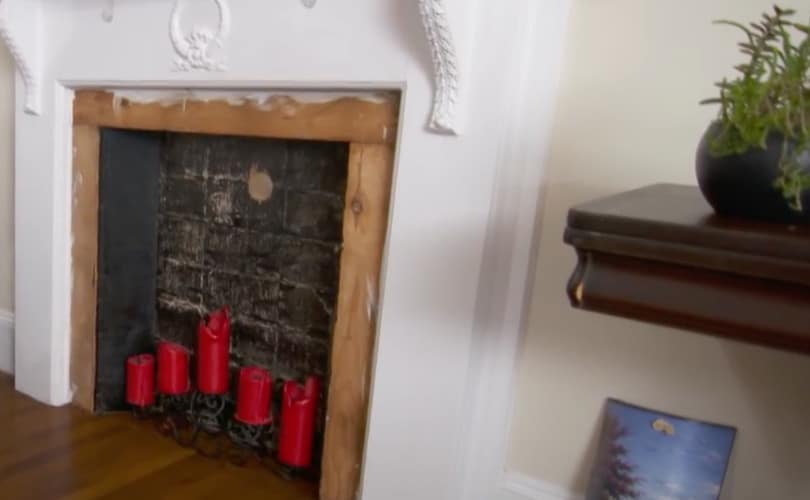
 If you appreciate the comfort of an open fire in your fireplace but aren’t thrilled about how costly and inefficient it can be, then it might be time to convert to an electrical fireplace. Switching your existing fireplace to a more efficient electric one is an easy task with an electric fireplace insert.
 If you have a damper in your fireplace or woodstove, do you know how to use it, or even what it does? Today the wood-burning stoves don’t always require a damper and central heat doesn’t require homes to be heated with a fireplace that requires a damper, so dampers are not in evidence as often. Most of us won’t ask about them feeling we should know. Dampers of old were common and people knew about them and we think we should, too. That isn’t so. Yet, the damper is important if your home has a fireplace or woodstove. Using it improperly can actually raise your heating bill or cause a lot of air contamination.
 Winter is coming to an end, and it’s time to say goodbye to the old fireplace until fall rolls around again. It’s believed that nearly $6 billion a year is burned up each year from fireplaces that aren’t appropriately sealed as cold air travels up and out the chimney. To stop spending needless money, you’re probably wondering how to seal a fireplace.